Everyone deserves access to a nutritious diet. We help make balanced health-supporting diets more accessible and appealing for everyone, every day.
From our global Power Brands like Knorr and Hellmann’s to local favourites like Horlicks and Maizena, we offer a wide range of tasty, affordable and accessible foods and beverages.
Backed by a powerhouse of chefs, nutrition and food innovation experts – and through collaboration with others – we take a multi-stakeholder approach to driving positive change for better diets, without compromising on taste or enjoyment.
Our long-standing commitment to improving nutrition is led by science and informed by our experience and expertise. We believe nutritional quality, portion size and frequency of consumption determine the healthiness of a diet. This principle shapes our holistic approach – driving the development of nutritionally better products, empowering healthier diets, ensuring transparency through clear communication and disclosure, and fostering collaboration to amplify impact.
(16 items)
Our nutrition improvement journey
Reflecting on over two decades of our progress in nutrition
Pioneering greater transparency in nutrition disclosure and 2025 ice cream calorie goal achieved
Achieved goal of ensuring that 95% of our packaged ice cream contains no more than 250 calories per serving a year early
First company to annually disclose our portfolio since 2022 against six externally endorsed Nutrient Profiling Models (NPMs)
Unilever’s Science-based Nutrition Criteria (USNC) and new commitment
Updated set of standards for nutrients to limit and commitment that 85% of our portfolio meets USNC by 2028
Publication of Positive Nutrition Standards (PNS) modelling study
New benchmark in nutrition transparency
First company to publicly disclose portfolio assessment against six externally endorsed Nutrient Profiling Models
Exceeded our micronutrient commitment and delivered more than 236 billion servings with at least one of the five key micronutrients
Publication of USNC modelling study
Positive Nutrition Standards (PNS)
New set of standards for recommended ingredients and nutrients with a positive health impact
USLP commitments achieved and next ambition announced
Exceeded our Unilever Sustainable Living Plan (USLP) target of doubling the portfolio meeting our Highest Nutrition Standards (HNS) and set even more stretching Future Foods ambition with new targets to help people transition towards healthier and more sustainable diets
iTFA commitment
Commitment that industrially produced trans fatty acids (iTFA) would not exceed 2g per 100g of total fat or oil in any of our foods by 2023
Micronutrient commitment
Commitment to provide more than 200 billion servings with at least one of the five key micronutrients – vitamin A, vitamin D, iodine, iron and zinc – by 2022
100% of our children’s ice creams contained ≤110 calories per portion
Launch of HRF to assess nutrition quality of our recipes
Updated salt commitment
Updated commitment that 75% of Foods portfolio will meet salt levels to enable intakes of 5g/day by 2020
Trans fat-free USLP target achieved
100% of our portfolio by volume did not contain trans fats originating from partially hydrogenated vegetable oil
Unilever Sustainable Living Plan (USLP) Nutrition commitment
Commitment to double the proportion of our portfolio that meets our Highest Nutrition Standards (HNS) by 2020, with time-bound targets for reduction of salt, saturated and trans fat, sugar and calories, as well as providing nutrition labelling on pack globally
Sodium reduction strategy
Launch of salt reduction strategy and target of 5g/day
Nutrition labelling policy
Policy to provide information globally on eight key nutrients, info per portion and 100g back-of-pack and energy content front-of-pack
Responsible marketing principles to children
Voluntary restrictions on paid marketing communications directed primarily at children
Nutrition Enhancement Programme (NEP)
First company to develop nutrient profile to improve nutritional quality of global product portfolio
Introduction of Food & Beverage Marketing Principles and Unilever Claims Framework
Global Nutrition Policy
Formal nutrition policy explaining our goal to help people everywhere adopt healthy diets
Creating better products for better nutrition
For over two decades, we’ve continuously improved the nutritional quality of our products through innovation and reformulation, actively championing a shift towards healthier diets. Our progress is guided by science-based standards and time-bound goals.
Our nutritional framework is built on two complementary standards: Unilever’s Science-based Nutrition Criteria (USNC) and Positive Nutrition Standards (PNS). Both are grounded in the latest scientific consensus and global dietary guidance, and validated for real-world impact.
PNS also inform our approach to helping address micronutrient deficiencies through targeted fortification. In 2024, our Foods business delivered 164 billion servings containing at least one of five key micronutrients – vitamin A, vitamin D, iodine, iron and zinc.
Critically, these standards operate independently, meaning that compliance with positive ingredients and nutrients cannot offset non-compliance with nutrients to limit.
Our booklet explains the detail of Unilever’s Science-based Nutrition Criteria and Positive Nutrition Standards.
Our goals
85% of our portfolio to meet Unilever’s Science-based Nutrition Criteria by 2028[a]
84%Our progress in 2024
Double the number of products sold that deliver positive nutrition by 2025[a]
52%Our progress in 2024
80% of our global beverage[b] portfolio to contain a maximum of 5 grams of total sugar per 100ml by 2025
76%Our progress in 2024
(11 items)
Some examples of products we’ve delivered in 2024:
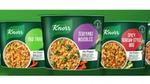
Knorr Pasta Cups
Knorr Pasta Cups were launched in North America and meet the PNS. They contain at least eight grams of protein and half a cup of vegetables and provide more than 10% of the Daily Value of fibre, 10–15% Daily Value of potassium and 15% Daily Value of iron per serving.
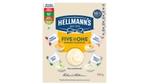
Hellmann’s 5-in-1 Mayonnaise & Seasoning Mix
Hellmann’s launched the 5-in-1 Mayonnaise & Seasoning Mix in India, which meets both the USNC and PNS. Hellmann’s mayonnaise is a source of good fats and is made with soybean oil fortified with essential vitamins A and D. It comes with four different seasonings to make flavoured mayonnaise, such as smoky tandoori, zesty mint, spicy chipotle and garlic & herbs.
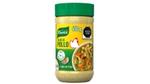
Knorr Chicken Bouillon Powder
Knorr’s Chicken Bouillon Powder has been reformulated in Mexico and meets the USNC.
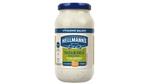
Hellmann’s Tartar Sauce
Hellmann’s Tartar Sauce, which already met the USNC, has been reformulated in the Czech Republic using innovative technology. It now contains less fat and fewer calories, with a reduction of over 30% in fat per portion with the same creamy texture.
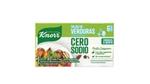
Knorr Zero-Sodium Vegetable Bouillon
Knorr launched a Zero-Sodium Vegetable Bouillon cube in Argentina that meets the USNC. This has also received an endorsement from the Argentine Cardiology Foundation.
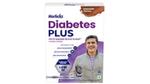
Horlicks Diabetes Plus (Chocolate)
Horlicks Diabetes Plus (Chocolate) was introduced in India and meets both the USNC and PNS. It is a nutritional beverage for diabetics and at-risk individuals who have just begun their diabetes journey. This nutritional supplement contains no added sugar and has a low glycaemic index. It contains 16 vital nutrients and is also high in protein (20%) and prebiotic fibres (22%).
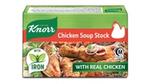
Knorr Iron-Fortified Chicken Stock Cube
Knorr has fortified its chicken stock cubes with iron in Pakistan to address widespread iron deficiency. It is the only fortified chicken soup stock on the market and provides 15% of the daily iron requirement. It helped deliver over 50 million servings of iron in 2024.
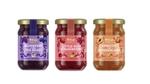
Kissan Fruit Fables
Kissan Fruit Fables is a 100% fruit-based spread range launched in India and meets the PNS. The range includes three variants: Blueberry & The Beast, Little Red Strawberry and Apricot in Wonderland. All are made from more than a kilogram of fruits per jar, featuring strawberries and mulberries from Mahabaleshwar, apricots from Greece and blueberries from Canada.
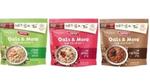
Telma Oats & More
The Telma Oats & More oatmeal porridge range was launched in Israel and meets the USNC. This plant-based range is made with more than 70% whole oats and up to 9% chia seeds. It is available in three varieties: Chia, Apple and Cinnamon; Cranberry and Chia; and Dark Chocolate and Chia. The porridge can be prepared quickly with boiling water in just two minutes, or heated in the microwave.
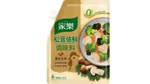
Knorr Chicken Matsutake Seasoning
Knorr has launched the Chicken Matsutake Seasoning in China, which is made with wild matsutake mushrooms from Yunnan. It meets the USNC and has 10% less salt than regular chicken seasoning.
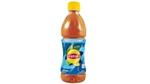
Lipton Zero Sugar
Lipton introduced more reduced and zero-sugar variants across multiple markets, including Lipton Black Iced Tea Lemon Zero in the Philippines.
Empowering healthier diets for everyone
As many of our products are used in meal preparation, we aim to inspire people with ideas that fit diverse lifestyles, tastes and budgets – all guided by our Healthy Recipe Framework (PDF 322.03 KB) and shared across our ever-expanding range of on-pack and online content.
We also empower people through practical nutrition education. In partnership with governments and organisations, we deliver impactful healthy eating programmes that address local needs, promote behaviour change and encourage long-term dietary improvements.
Beyond home cooks, we support professional chefs through Unilever Food Solutions with training, recipes and tools for healthier food preparation. We also promote better food choices in workplace settings – for example, through the Healthier Canteen Initiative in Shanghai (PDF 188.54 KB).
To increase access, we offer products at a range of price points and pack sizes, innovating to provide affordable options. We are also expanding our reach in remote areas through innovative distribution channels. In India, our Shakti programme has trained over 200,000 women living in rural areas to become active sales agents – equipping them with business skills and knowledge in nutrition and hygiene. The success of this model has led to its expansion and localisation in Nigeria and Ethiopia, empowering even more women and strengthening community access to nutrition.
In the Philippines, Knorr Nutri Sarap aims to tackle hunger and malnutrition by empowering parents to build healthy eating habits for their children and diversify their diets at a low price. Since the programme began in 2015, it has reached over 12 million people, and in 2024, Knorr Philippines set an ambitious goal to reach 15 million lives by 2030. Additionally, Knorr has partnered with the Department of Education (DepEd) to launch Knorr’s Makulay ang Buhay programme in public schools nationwide, making learning about nutrition fun and engaging for primary school children. This initiative also provided 60,000 Nutri Sarap recipe books to teachers, parents and 97 central DepEd kitchens to help prepare nutritious, delicious and affordable meals. Furthermore, Knorr has renewed its partnership with the Department of Social Welfare and Development to integrate the Nutri Sarap programme into the Family Development Sessions in the Calabarzon region, empowering mothers with nutrition skills. Knorr Philippines is also an official member of the Zero Hunger Alliance, a nationwide network of donors, implementers, volunteers and researchers who share the vision of eradicating hunger in the Philippines by 2030.
In Indonesia, Royco Nutrimenu inspires caregivers to prepare nutritious and budget-friendly meals with iodine-fortified products to address child stunting. From 2019 to 2023, the initiative reached 18 million mothers and resulted in about 75% of participants gaining the skills and knowledge necessary to prepare meals according to Indonesian healthy eating guidelines. The programme helped reduce the number of children at risk of stunting by 37% in areas of Bogor City where it was implemented.
South Africa: More plant-based food, less food waste in schools
In South Africa, Knorr collaborates with the National Department of Basic Education to help teachers educate students about the importance of vegetables and plant-based protein, as well as provide practical advice on healthy recipes and cooking methods. The programme has also trained 201 food handlers in 83 schools, reaching almost 45,000 primary school students between 2021 and 2024.
South Africa: Enhancing nurses’ awareness of micronutrient deficiencies
In South Africa, micronutrient deficiencies remain widespread. In 2024, Unilever partnered with the Democratic Nursing Organisation of South Africa (DENOSA) to educate nurses on the consequences of micronutrient deficiencies and the importance of fortification, along with other nutrition topics. The training event hosted 274 nurses, who are estimated to reach over 16,000 consumers – raising awareness about the importance of a healthy diet and adequate micronutrient intake for overall health.
Supporting informed choices through transparency
We know consumers need clear and easy-to-understand nutrition information to make informed choices. That’s why we provide transparent, fact-based labelling on our packaging worldwide. We voluntarily apply government-endorsed front-of-pack labels, such as the UK traffic light system, Nutri-Score, Health Star Rating and various Healthy Choice logos, and we strictly adhere to responsible advertising and marketing principles (PDF 305.29 KB). We back every nutrition and health claim we make with scientific evidence and ensure it meets established criteria.
Transforming diets at scale demands collective action.
We work with governments, experts, academic consortia and organisations to address nutrition challenges and co-develop science-backed solutions.
These alliances also fuel our research in key areas such as gut health, behaviour change and personalised nutrition, helping to strengthen the evidence behind healthier eating and driving systemic change in nutrition.
We share our findings (PDF 351.81 KB) through peer-reviewed publications and scientific conferences, advancing collective understanding and informing public health advocacy.
Through the FIBERME initiative, we are exploring how dietary fibres influence gut health. By pairing cutting-edge AI with microbiome science, this research aims to predict how different fibres impact digestion, immunity and overall wellbeing – opening new possibilities for personalised nutrition.
We are advancing research into how the body absorbs micronutrients through a new in vitro model. This approach will help identify how different ingredients and processing methods affect the absorption of vitamins and minerals – guiding the development of foods that more effectively support health and help address nutrient deficiencies.
We want to understand how certain characteristics of ultra-processed foods may influence overall body weight and metabolic health. Through the RESTRUCTURE initiative, we’re supporting research into the link between food texture, the speed of eating and energy intake.
We contributed to the World Business Council for Sustainable Development (WBCSD) and Eat Well Global’s Accelerating Food and Nutrition Security through Food Fortification: A private sector playbook that identifies fortification challenges and opportunities to inspire global collaboration among different stakeholders.
We presented outcomes from our Royco Nutrimenu programme, which reached nearly 18 million mothers in Indonesia, and we highlighted our partnership with the Democratic Nursing Organisation of South Africa, training 274 nurses on micronutrient deficiencies and fortification.