
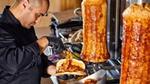
Döner, shawarma and gyros are just some of the names and types of kebab that make up a large share of fast food in Europe. But Germany in particular loves döner kebabs.
In a recent YouGov poll, the döner overtook currywurst as Germany’s most popular street food. More than half the country’s street food outlets are döner kebab shops selling over €2.4 billion of these tasty sandwiches per year.
But they’re not the only nation who have a growing appetite for this dish. Overall Europe produces 400 tonnes of kebabs daily, mostly exported out of Germany, bringing in revenues of up to €12 billion a year.
A fresh take on the traditional kebab
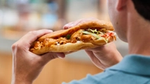
Döner kebab meat is cooked vertically. This allows fat to drip off the spit-roast which fuels the flames of the fire which then singes and flavours it. Spinning the meat on the skewer distributes the heat and ensures its outer layers are evenly cooked and coated in a tasty basting of fat. This leaves it ready to be sliced off and served with condiments and breads of the consumer’s choice.
Delicious for dedicated meat eaters. But usually off the menu for vegans and vegetarians.
Until now!
Putting plant-based on the kebab rotation
From September 2023 German and European consumers will be able to enjoy the authentic taste and experience of an animal meat kebab from a plant-based kebab skewer that’s also halal-certified and lactose-free.
And it’s all thanks to the latest meat-hack from The Vegetarian Butcher, developed in partnership withThe Düzgün Group, a family-owned business and market-leading producer of commercial döner kebabs.
The Science that shapes an authentic experience

Even with both partners’ combined expertise, it took significant development work to get the product just right.
“The development was an exciting challenge: döner kebab is a unique product with a long tradition,” says Bart van de Ree, R&D Developer at The Vegetarian Butcher.
“The joint development allowed us to understand and then mimic all the culinary aspects of the kebab: the flavour, the texture, the slicing and shaving as well as the grilling behaviour,” he explains.
Here’s just a taste of some of the work that went into it:
Flavourings: Our plant-based kebab is meant to taste like an animal meat kebab. But there can be differences between the flavour profile of animal and plant-based meats depending on the animal meat used by the operator. We added a lot of flavours and spices, such as the traditional cumin, oregano, garlic and onion to get the authentic meat kebab taste using a plant-based recipe.
Texture: Our plant-based kebab is soy-based and uses several binding ingredients which allows it to be shaped to look like a döner kebab skewer, while also giving it the texture and slicing ability of animal meat kebabs.
Slicing and shaving: Perfectly grilled and thinly sliced meat is important to recreate the full kebab experience. However, it is a challenge to keep a thin slice meaty and juicy. The Vegetarian Butcher incorporated a blend of fats with different melting characteristics and worked to make sure that when the plant-based meat was perfectly browned and ready to be sliced, it was still juicy.
Cooking and grilling: Most plant-based kebabs currently in the market are either pre-cut in a convenient format or require additional cooking after being cut from the skewer. What’s unique about our plant-based skewer is that it behaves and can be handled like animal meat. It is made to be grilled on the skewer just like an animal meat kebab would, with the same speed of cooking and browning.
Taking plant-based kebabs mainstream
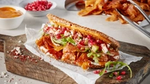
The goal of this launch is to fill that gap for kebab restaurant operators by delivering plant-based meat skewers at scale, in a way that will turn a once-niche purchase into a readily available option on menus across Europe.
Consumer demand for plant-based kebabs is certainly present, especially in Germany, where 60% of 16–59-year-olds say they would order a plant-based kebab. This comes as no surprise given 42% of people in the country are actively trying to reduce their meat intake.
“The plant-based kebab is a great extension of our existing product range. It is not an alternative but rather a stand-alone addition to our range. We cannot wait to distribute the first skewers to our customers,” says Fevzi Düzgün, CEO of The Düzgün Group, which currently supplies skewers to döner chains, shops and restaurants in more than 15 countries.
“We can deliver on a large scale and hence we are perfectly set up to offer restaurateurs an international supply chain for plant-based skewers,” adds Blue Yildizbakan, Project Leader at The Düzgün Group.
And while restaurant guests can order a completely plant-based kebab whose meat substitute is cut off the skewer, is crispy on the outside and mimics the taste and texture of a traditional meat kebab, kitchen teams don’t need to add equipment or amend their cooking techniques.
The skewer “can seamlessly fit with their equipment and cooking procedures. The product performs just the way we intended to,” says Hugo Verkuil, CEO of The Vegetarian Butcher.
“Hacking meat icons like the döner kebab with plant-based equivalents is what it is all about for us,” he adds. “We are targeting meat-lovers – from vegans to carnivores – who don’t want to miss out. And when it comes to guests, we are convinced people will not be able to taste the difference.”
Kebab trends
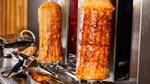
Döner kebab is served across Europe. But when it comes to the ingredients that come on top, tastes vary. Fresh salad is a given, but there’s some flavour flexing going on. Here’s a few Thrillist have found from around Europe:
- Germany: stick to the classic tomato, cabbage, onion and dill-yoghurt sauce
- UK: spice it up with hot curry sauce
- Spain: mix in falafel, French fries or fried eggs
- Italy: top it with hot pepper relish, tzatziki and harissa
- France: add French fries
Related articles
Better bacon: the science behind the sizzle
Thanks to revolutionary food tech, The Vegetarian Butcher’s new plant-based rashers dish up a true no-bacon bacon taste sensation that cooks and looks like the original. We take a look at what makes NoBacon 2.0 a game-changer.
Five trends that will take plant-based eating mainstream in 2023
Nutrition Strategy Director, Maxim Yermolayev and Ice Cream Innovation Lead, Fatma Tek share their expert insights into five consumer behaviours and food trends that will see more people making plant-based eating part of their daily diet in 2023.
Could this be the future of plant-powered burgers?
The Vegetarian Butcher’s new raw burger doesn’t just taste like its beef-based counterpart – it looks and cooks like one too. Could this latest meat-hack be a game-changer in feeding the world’s growing appetite for plant-based food?