
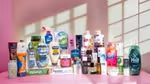
Unilever’s first half 2026 results show underlying sales growth (USG) of 4.8% with underlying volume growth (UVG) of 4.2%. Our Power Brands continued to outperform with 6.0% USG and 5.4% volume growth.
Here are the results highlights from each of our four business groups, which all delivered volume-led growth.
Beauty & Wellbeing
5.9% underlying sales growth
4.5% underlying volume growth
25% of H1 Group turnover
Hair Care
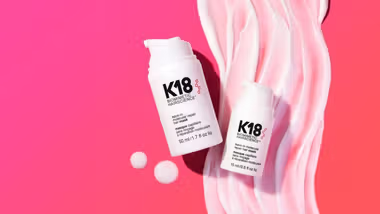
Hair Care delivered high-single digit growth, with mid-single digit volume and low-single digit price. Dove grew double-digit led by its premium innovations, including the Fibre Repair technology range, while our ultra-premium hair care brand, K18, delivered very strong double-digit growth driven by its biotechnology-led innovations. In emerging markets, Sunsilk and Clear accelerated over the first half, with double-digit growth in the second quarter, while in the US, Dove’s strong delivery and TRESemmé’s improvement led to high-single digit growth in the second quarter.
Skin Care
Skin Care grew low-single digit, driven by volume. Our portfolio continued to premiumise with double-digit growth in Vaseline driven by premium innovations, while our prestige beauty brands accelerated further over the first half, with particularly strong performances from Paula’s Choice, Hourglass and Tatcha in the second quarter. This was partially offset by a softer performance in Asia Pacific Africa.
Wellbeing
Wellbeing grew low-single digit, led by volume, with improved growth in the second quarter. Liquid I.V. grew high-single digit, with double-digit growth in the second quarter, reflecting the timing of shipments and good execution. Olly grew double-digit, driven by momentum in emerging markets, digital channels and distribution gains. Nutrafol customer retention remains strong and actions are underway to optimise new customer conversion, including with Nutrafol as a complement to a GLP-1 regimen.
Personal Care
4.8% underlying sales growth
4.1% underlying volume growth
27% of H1 Group turnover
Deodorants
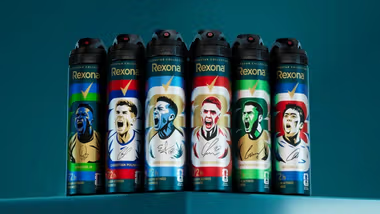
Deodorants grew mid-single digit, with mid-single digit growth in both developed and emerging markets. The US grew high-single digit supported by share gains. Growth in Brazil was high-single digit in the second quarter, led by volume, following our actions to improve format mix and reset shelf space.
Skin Cleansing
Skin Cleansing grew mid-single digit, led by volume. Dove grew high-single digit supported by the success of its premium Serum Body Wash, while Lux grew mid-single digit with premium innovations including a new fragrance-led range in China. By region, mid-single digit growth in emerging markets and in the US was partially offset by a flat performance in Europe.
Oral Care
Oral Care grew low-single digit, with balanced volume and price.
Home Care
7.6% underlying sales growth
7.4% underlying volume growth
23% of H1 Group turnover
Fabric Cleaning
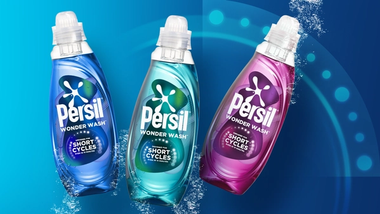
Fabric Cleaning grew high-single digit, with strong performances across its largest markets. India delivered double-digit growth in the first half, with balanced volume and price in the second quarter following commodity-linked price rises. Brazil and Indonesia delivered double-digit growth in the second quarter supported by premium innovations and strong in-market execution. Our second quarter delivery also benefited from our supply security and balance sheet strength relative to local competitors.
Home & Hygiene
Home & Hygiene delivered mid-single digit growth, led by volume. Cif grew double-digit and Domestos grew high-single digit driven by premium innovations.
Fabric Enhancers
Fabric Enhancers grew high-single digit led by volume. Comfort delivered high-single digit volume-led growth, supported by premium formats and fragrance-led innovation.
Foods
1.2% underlying sales growth
1.2% underlying volume growth
25% of H1 Group turnover
Cooking Aids
Cooking Aids was flat, with flat volume and price. Knorr grew low-single digit as good performance in emerging markets, in particular across Asia Pacific Africa, was partially offset by declines in developed markets due to category softness.
Condiments
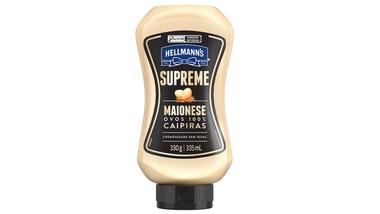
Condiments delivered low-single digit growth, led by volume. Hellmann’s grew volume low-single digit with continued strong momentum in emerging markets including Brazil and Asia Pacific Africa. In the US condiments category, we are taking steps to correct recent share loss in new growth segments within premium and avocado mayonnaise. Growth is expected to improve in the second half, led by innovation and commodity-driven price increases.
Unilever Food Solutions
Unilever Food Solutions grew low-single digit, led by volume. China delivered low-single digit growth, reflecting increased reach and penetration and gradual improvements in away-from-home consumption. US grew mid-single digit, driven by volume, reflecting our strong customer proposition.
Frequently asked questions
How is Unilever performing in 2026?
Unilever delivered a strong, volume-led performance in the first half of 2026.
Underlying sales grew by 4.8%, with 4.2% from underlying volume growth and 0.6% from price. Performance accelerated in the second quarter, when underlying sales grew by 5.8% and volume grew by 5.5% – Unilever’s best quarterly volume performance in more than a decade.
Growth was led by Unilever’s Power Brands and its Beauty & Wellbeing, Personal Care and Home Care businesses. Power Brands represented 78% of turnover and grew underlying sales by 6.0% in the first half, including 5.4% volume growth.
Unilever also maintained profitability and investment. Underlying operating margin increased by 10 basis points to 20.3%, while brand and marketing investment remained competitive at 16.1% of turnover. Underlying earnings per share increased by 2.4% to €1.61, and free cash flow improved by €0.5 billion to €1.5 billion.
Following this performance, Unilever upgraded its full-year 2026 outlook.
What is driving Unilever’s growth, and is the performance sustainable?
Unilever’s growth is being driven by stronger brands, improved innovation and sharper execution across a broad range of businesses and markets.
Power Brands continued to outperform, supported by focused investment, premium innovation and stronger in-market execution. In the second quarter, 15 of Unilever’s 30 Power Brands grew at double-digit rates. Dove, Vaseline, Sunsilk, Comfort and Dirt Is Good were among the brands contributing strongly.
Growth was also broad-based across the portfolio. Beauty & Wellbeing, Personal Care and Home Care all accelerated in the second quarter. Emerging markets grew strongly, led by India, Indonesia and Latin America, while North America continued to outperform its market.
The underlying trend has become more consistent: volume growth averaged approximately 3.0% over the four quarters to June 2026 and 2.7% over the previous ten quarters. This longer-term performance, together with broad-based growth and market-share gains in several categories, supports Unilever’s confidence in the resilience of its growth.
Performance may moderate as pricing increases in the second half, but Unilever believes its diversified portfolio across geographies, categories, price points and channels provides resilience in a volatile environment.
How much of Unilever’s growth is coming from volume versus pricing?
Unilever’s growth in the first half of 2026 was primarily driven by volume.
Underlying sales grew by 4.8%, comprising 4.2% underlying volume growth and 0.6% underlying price growth.
In the second quarter, underlying sales grew by 5.8%, comprising 5.5% underlying volume growth and 0.2% underlying price growth.
Underlying volume growth includes both the number of products sold and changes in the mix of products sold. Underlying price growth measures the impact of changes in selling prices.
Second-quarter pricing was temporarily lower for three main reasons: strong prior-year pricing comparators in Personal Care, planned promotional activity linked to the FIFA World Cup 2026™ and the continuing effect of pricing actions taken in Brazil during 2025 to restore competitive price gaps in Home Care.
Unilever expects the balance of growth to change in the second half of 2026. Commodity-related price increases are being implemented, promotional activity will normalise after the World Cup and pricing is expected to lead second half underlying sales growth of 4.0% to 5.0%.
As pricing increases, Unilever expects some moderation in volume growth and has reflected this in its full-year outlook of around 3.0% underlying volume growth.
Which Unilever businesses and markets are performing strongest, and where does performance need to improve?
Unilever’s strongest growth in the first half of 2026 came from Home Care, Beauty & Wellbeing and Personal Care.
Home Care was the fastest-growing business group, with underlying sales growth of 7.6% and volume growth of 7.4% in the first half. Growth accelerated to 9.1% in the second quarter. Performance was broad-based across Fabric Cleaning, Fabric Enhancers and Home & Hygiene, with strong contributions from India, Brazil and Indonesia.
Beauty & Wellbeing grew underlying sales by 5.9% in the first half and 8.1% in the second quarter. Growth was supported by Dove, Sunsilk, Vaseline, K18 and Unilever’s prestige beauty brands.
Personal Care grew underlying sales by 4.8% in the first half and 5.9% in the second quarter. Deodorants and Skin Cleansing performed strongly, and Unilever regained market leadership in US deodorants.
Foods grew by 1.2% in the first half, but growth slowed to 0.2% in the second quarter. Emerging markets and Unilever Food Solutions continued to grow, but performance was affected by softer developed markets and increased competition in US condiments, particularly in faster-growing premium and avocado-oil mayonnaise segments. Unilever is responding with targeted innovation, improved price architecture and stronger execution.
By geography, emerging markets grew by 7.0% in the first half and 8.3% in the second quarter. India grew by 10% in the second quarter, Indonesia grew by 7.0% in the first half, and Latin America accelerated to 8.9% growth in the second quarter.
North America grew by 2.7% in the first half and accelerated to 3.6% in the second quarter, with strong volume growth in deodorants, skin cleansing, hair care and prestige beauty.
Europe declined by 0.9% in the first half. Beauty & Wellbeing and Personal Care grew, and Home Care gained share, but these improvements were more than offset by softer market conditions and weaker Foods performance.
What is Unilever’s outlook for growth and margins in 2026?
Following its strong first half performance, Unilever upgraded its outlook for 2026.
For the full year, Unilever expects:
- Underlying sales growth within its 4.0% to 6.0% multi-year range
- Around 3.0% underlying volume growth
- Underlying sales growth of 4.0% to 5.0% in the second half, led by pricing
- A modest improvement in underlying operating margin compared with 20.0% in 2025
Unilever expects commodity inflation to remain elevated in the second half. It plans to manage this through calibrated pricing, productivity, formulation flexibility, pack-price architecture, sourcing actions and continued cost discipline.
Gross margin in the second half is expected to remain broadly similar to the first half level of 46.8%, while competitive investment behind brands will continue.
The external environment remains uncertain, and Unilever expects some volume sensitivity as pricing increases. However, stronger brand performance, improving pricing, productivity delivery and disciplined cost management support the company’s confidence in its full-year outlook.
How is the combination of Unilever Foods with McCormick progressing?
The proposed combination of Unilever Foods with McCormick is progressing on track. Completion is expected by mid-2027 at the latest, subject to McCormick shareholder approval, required regulatory approvals and other customary closing conditions.
A significant milestone is McCormick’s confirmation that the combined company will have a secondary listing on the London Stock Exchange. This delivers on the commitment made when the transaction was announced to establish a secondary European listing. The London listing is expected to provide Unilever shareholders with continued access to trading in the combined company through a major European market following completion. Further information on the listing arrangements will be provided as the transaction progresses.
McCormick will retain its primary listing on the New York Stock Exchange and its global headquarters in Hunt Valley, Maryland. It also plans to establish an International Headquarters in the Netherlands and maintain Unilever Foods’ R&D facilities and operations at Hive.
Dedicated teams from both companies are working on the separation and integration, including carve-out financial statements, tax, regulatory approvals, synergy delivery and operational integration.
The combined company will be organised around four commercial divisions:
- Americas Consumer, led by Andrew Foust of McCormick
- International Consumer, led by Heiko Schipper of Unilever Foods
- Global Food Service, led by Nuria Hernandez of Unilever Foods
- Global Flavour, led by Suzanne Roy of McCormick
The expected Executive Team will also include two Unilever Foods functional leaders:
- Heike Steiling, Chief R&D Officer
- Jennifer Han, Chief Supply Chain Officer
This means four members of the expected Executive Team will come from Unilever Foods: Heiko Schipper, Nuria Hernandez, Heike Steiling and Jennifer Han. Brendan Foley will remain Chairman, President and Chief Executive Officer, and Marcos Gabriel will remain Executive Vice President and Chief Financial Officer.
Related articles

Take a look at Unilever’s 2026 Cannes Lions-winning campaigns
The annual Cannes Lions International Festival of Creativity is where the new benchmark for global creative excellence is set. This year, Unilever brands received 35 awards. Here’s a run-down of the campaigns that won and the insights behind them.

Powerful brands grow through the ideas communities choose to share
In today’s world of infinite content and algorithmic distribution, brands grow by creating ideas communities choose to pass on. At Cannes Lions 2026, Unilever’s Chief Marketing Officer Leandro Barreto explores the new frontier of demand generation.
Inside Unilever Personal Care’s FIFA World Cup 2026™ sponsorship
Unilever is connecting brands with fans for its biggest-ever sports sponsorship at the FIFA World Cup 2026™. From stadiums to stores to online streams, Personal Care is turning match-day passion into brand engagement beyond the final whistle.