
Unilever is in New York City for Climate Week NYC 2026, the world’s largest annual climate event and an important opportunity to discuss solutions and how to embed them into business strategy.
Unilever’s Global Head of Sustainability, Rianne Buter, shares why our work to reduce emissions is part of Unilever’s growth strategy, and how it’s shaping products, partnerships and progress across the business.

- Rianne, how does Unilever’s corporate climate action strategy support the growth of the business?
Our response to climate change isn’t separate from Unilever’s growth priorities. It’s part of how we do business – to manage risk, increase efficiencies and build a more resilient future.
From the way we source our raw materials and ingredients and formulate our products to how they’re made in our factories and used by consumers, our climate actions support our long-term competitiveness.
Over the shorter term, our experience shows that energy efficiency and switching to renewable forms of energy can also reduce operational costs and shelter us from energy market volatility.- How is climate action influencing new product development at Unilever?
Across our business groups, we’re working on product innovation, reformulation and packaging formats that not only lower our greenhouse gas emissions but also spark desire and support our growth strategy.
In North America, Axe body sprays now use boosted nitrogen, technology that combines nitrogen with a reduced share of propellant. This shift reduces the amount of fossil-fuel-based propellant used in each can, and provides a lighter, more targeted mist of fragrance.
We’ve launched Dove Frizz Protect and Smooth Hairspray in North America with a new formula with reduced greenhouse gas emissions while still providing the same great hold, and Dove and TRESemmé now use 100% post-consumer recycled plastic (PCR) in their shampoo and conditioner bottles (excluding caps and pumps) across the US.
We’re making strides in our Home Care business too. Our Sunlight core brand dish wash products in Indonesia and other markets feature our patented RhamnoClean technology, using plant-based, readily biodegradable[a] alternatives to fossil-fuel-based chemicals. To ensure we stay competitive in a wider transition to bio-based chemicals, we want to see a policy framework that shapes investment decisions across the whole chemicals value chain.

- Across the value chain, where has Unilever made the strongest progress in reducing emissions?
We’ve made the most progress across our owned and leased sites, such as factories, offices and R&D labs, achieving a 77% reduction in operational greenhouse gas emissions (known as scope 1 and 2) from our 2015 baseline by the end of 2025. We have a target to achieve a 100% reduction in our own operations by 2030.
While this accounts for a small proportion of our overall carbon footprint, it’s where we have most control, and we can show our suppliers that rapid emissions reduction is possible.
Discover Unilever's Climate Transition Action Plan (PDF 7.98 MB)
- How is Unilever overcoming challenges to drive solutions at scale?
Alongside improvements in energy efficiency, our transition to renewable electricity has been the main driver of our progress in our operations, and we achieved 88% renewable electricity consumption globally in 2025.
We’re now adapting our infrastructure to use renewable electricity to meet our heating and cooling needs, as well as switching to renewable thermal energy sources such as solar and geothermal, or biofuels. We have to establish what works best for each site, and thermal energy decarbonisation is particularly complex, as it often involves integrating newer technologies into existing, older site infrastructure.
In 2025, we successfully combined industrial-scale heat pumps and electric boilers at sites in India and the Philippines. At our Unilever Oleochemical Indonesia plant in North Sumatra, we’ve started using biomethane derived from liquid waste from palm oil production as a renewable thermal energy source for our operations. We’re supportive of market mechanisms and robust greenhouse gas accounting rules that will allow use of biomethane to scale.
- How is Unilever technology reducing emissions in Unilever’s factories?
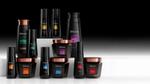
Technology isn’t only increasing our operational productivity by increasing capacity, it can also help us reduce emissions from our manufacturing sites by lowering energy consumption. We’re using AI and digital twins – virtual replicas of factory processes and production lines, fed by real-time data from our sites.
We’ve already integrated this technology at several Unilever manufacturing plants around the world. For example, use of AI and digital twins at our Gandhidham Personal Care site in India, which manufactures Power Brands including Lux, Lifebuoy and Dove, supported 24% production growth at this site between 2021 and 2024, and energy savings that contributed to a 90% reduction of scope 1 and 2 emissions between 2021 and 2023.
- Is Unilever working with suppliers to tackle emissions together?
Yes. By the end of 2025, almost 200 key Unilever suppliers – accounting for 40% of our raw material scope 3 emissions – were included in our Supplier Climate Programme. We want to reduce emissions and build resilience in this important part of our value chain through best-practice sharing, innovation and finance partnerships.
One example is our work with key aluminium can suppliers to reduce aerosol packaging emissions by sourcing aluminium produced with low-carbon energy. By working with partners, we’re determined to win through innovation, creating products that consumers want while ensuring our business remains competitive for the future.
Frequently asked questions
What is Climate Week NYC and why is Unilever there?
Climate Week NYC brings together businesses, political change-makers, investors and experts for the world’s largest annual climate event. For Unilever, being present at Climate Week NYC 2026 gives us the chance to share and gather valuable intelligence, build strategic relationships and help shape the conversations, opportunities, policies and partnerships that will influence our future operating environment.
What are scope 1, 2 and 3 emissions?
Scope 1 emissions are those created directly by a company, such as fuel burned on-site. Scope 2 covers emissions from the electricity or energy a business buys. Scope 3 covers everything else in a company’s wider value chain, from supplier emissions to how consumers use and dispose of products.
Why are scope 3 emissions often challenging for businesses to reduce?
Scope 3 emissions happen outside a company’s direct control, in suppliers’ factories, farmers’ fields or consumers’ homes. For Unilever, one way we’re taking action to reduce scope 3 emissions is through our Supplier Climate Programme, which supports suppliers to measure, share and reduce their emissions.
Plant-based where the renewable carbon index is more than 50%, meaning more than half its composition is derived from bio-based sources. Readily biodegradable substances refer to those that break down rapidly and naturally within 28 days.
Related articles
Building resilience, driving growth: inside Unilever’s AI-powered supply chain
Vicky Cuthbert, Chief Product Supply Chain Officer for Personal Care, explains what’s involved in ensuring our brands are available wherever and whenever consumers want them, especially during a global retail activation like the FIFA World Cup 2026™.

Unilever x Accenture partnership scales digital twins across global manufacturing
Building on its existing collaboration, Unilever is partnering with Accenture to scale smarter manufacturing, rolling out more than 40 new digital twins across its network over the next 18 months.
WEF recognises business impact of Unilever’s supply chain tech investments
Technology is accelerating Unilever’s operational excellence. Our ongoing digital supply chain transformation has driven d‑commerce growth, increased resilience and reduced environmental impact, earning new WEF Global Lighthouse Network designations.