

Managing grievances
We define a grievance as a complaint made to Unilever of an alleged breach of our key policies.
Unilever GlobalChange location

Aiming to end deforestation in our five forest-risk commodities.
We have three routes to ensuring purchases of our five priority commodities are not linked to deforestation: certification, third-party verification, and sourcing from locations in which there is a negligible risk of deforestation.
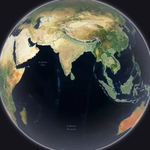
All forest-risk commodities 97%
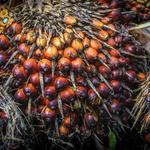
Palm oil 95.7%

Paper and board 98.8%
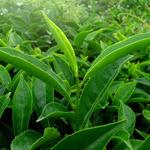
Tea 97%
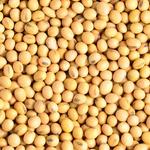
Soy 94.8%
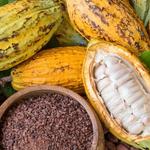
Cocoa 85.2%
We and our suppliers are audited by external independent parties, who conduct desk and site evaluations to ensure everyone meets our requirements and standards for a deforestation-free supply chain. Auditors follow the independent deforestation-free verification protocol we created for our key crops; it is the first of its kind.
Discover more about Unilever's sustainable sourcing and deforestation-free practices across palm oil, paper and board, soy, tea, and cocoa.
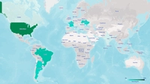
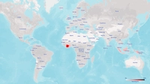
Leveraging our influence in palm oil.
To help protect forests, we work with plantations and mills, and we empower smallholders. Transparency and traceability are key to this.
An animated video featuring a rotating globe with white lines spanning and crisscrossing the globe's surface.
These white lines visually represent linkages within the supply chain depicting the flow of palm oil materials from plantations to mills, refineries and finally to Unilever factories.
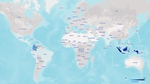
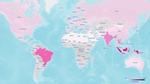
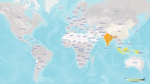
There is a significant concentration of these linkages in Malaysia and Indonesia as the majority of palm oil is sourced from these countries. This video highlights the dynamic and expansive nature of Unilever's supply chain.
No audio and no captions available
We provide a deep dive into the actions we have taken in our palm oil supply chain. This commodity has particular importance to us due to the leverage and influence we believe we have as a significant buyer. It is also right and urgent to keep tackling the sector’s sustainability issues, namely protecting tropical forests and peatlands, increasing our transparency and traceability, and respecting and advancing human rights.
Find out more about how we’re using technology to support smallholders and maintain a deforestation-free palm oil supply chain.
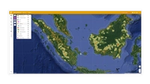
Through partnerships and technology, we monitor our supply chain to ensure it is free from deforestation. Our partners provide us with deforestation alerts, and we track these through a bespoke dashboard. We have also invested in the early detection of deforestation using radar technology partners.
Our No Deforestation, No Peat Conversion, No Exploitation (NDPE) dashboard is a bespoke Unilever platform that helps us monitor agriculture, forests and peatland, and ensure no deforestation enters our supply chain.
The dashboard contains many layers of data and maps, as well as the sustainability compliance information of our suppliers and information on supply chain links. It also goes beyond our own supply chains, and includes the universal palm oil mill list, detailing more than 2,000 mills.
We continually update the dashboard with fresh Google Earth satellite images, and deforestation alerts and grievances are also channelled into it. This means any deforestation is detected swiftly, and we can prioritise areas to support with additional investment.
Our grievance process gives everyone a voice; anyone can report an environmental or human rights concern. Our goal to be deforestation-free is intrinsically linked to upholding the rights of those who live and work on the land.
We define a grievance as a complaint made to Unilever of an alleged breach of our key policies.
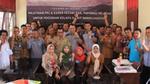
We respect and uphold human rights throughout our operations, and our policies are based on international standards.
Unilever's sustainable, traceable approach for deforestation-free supply chains.

Sustain and strengthen our impact in our deforestation-free achievements and ensure compliance with evolving deforestation regulations.

Further advance driving change beyond our own supply chain to protect and restore natural ecosystems.

Invest in product innovation and reformulation to ensure the ability to manage our growth and transition to net zero.
Have you got a few minutes to complete a survey? We would love to hear about your experience using Unilever.com.